Building South African networks: joint Field Training and Resampling Campaign in Kruger National Park
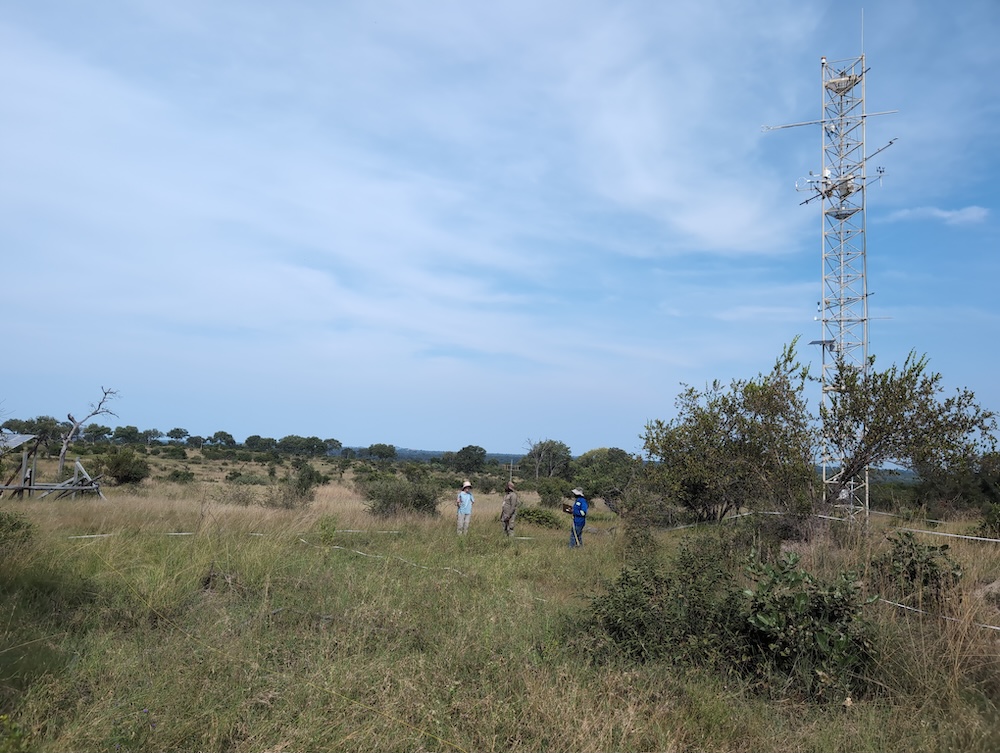
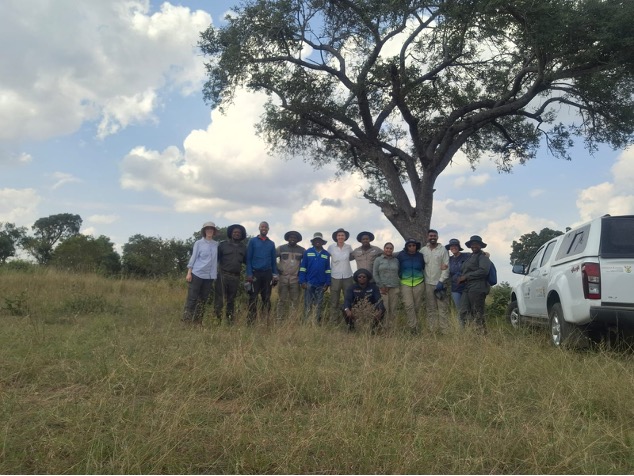
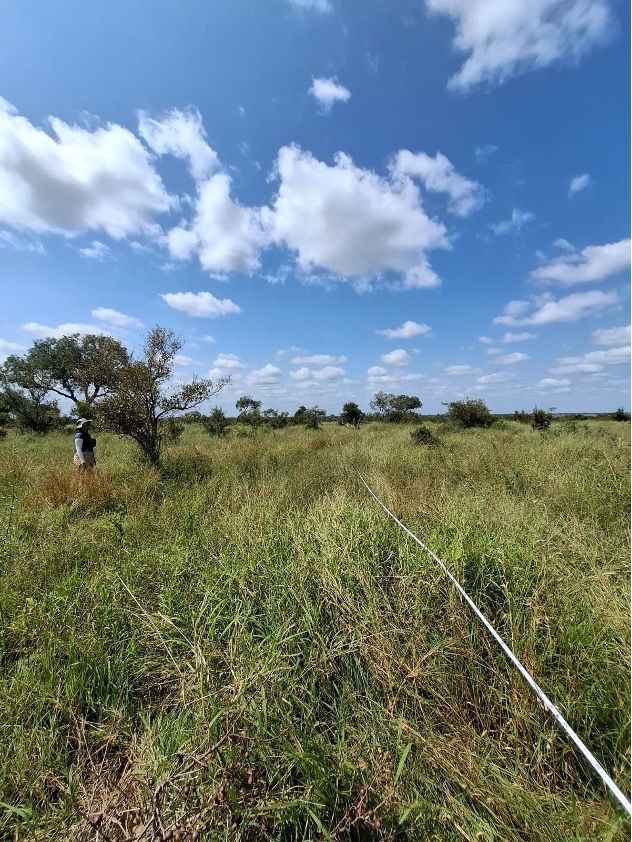
In May, researchers from EFTEON, the CSIR, SANPARKS, Wits University, and the SEOSAW and GGG plot networks came together to exchange methods and jointly manage one of the longest permanent sample plots in the southern African region: the Skukuza Flux tower in the Kruger NationaL Park.
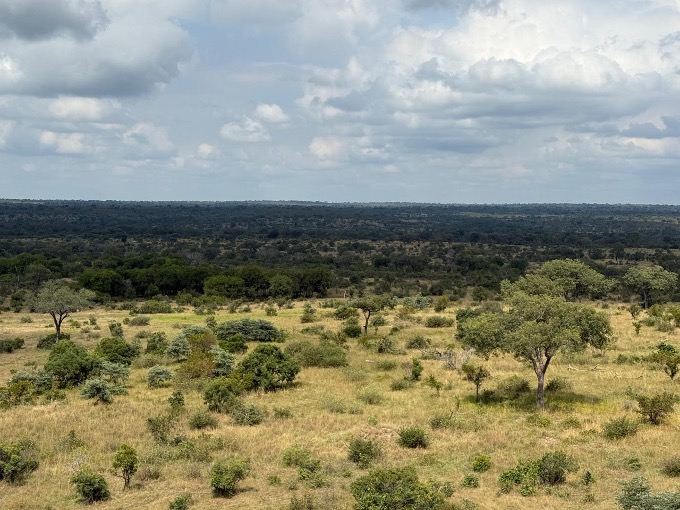
This has been an environmental monitoring site since 2000 when the flux tower was installed, and researchers from many institutions have worked there over the years. In 2019 it became an official SEOSAW PSP and has been key to providing information on vegetation dynamics in arid savannas exposed to elephants, fire and wildlife. Two additional SEOSAW plots on the basalt soils have also been set up in the KNP.
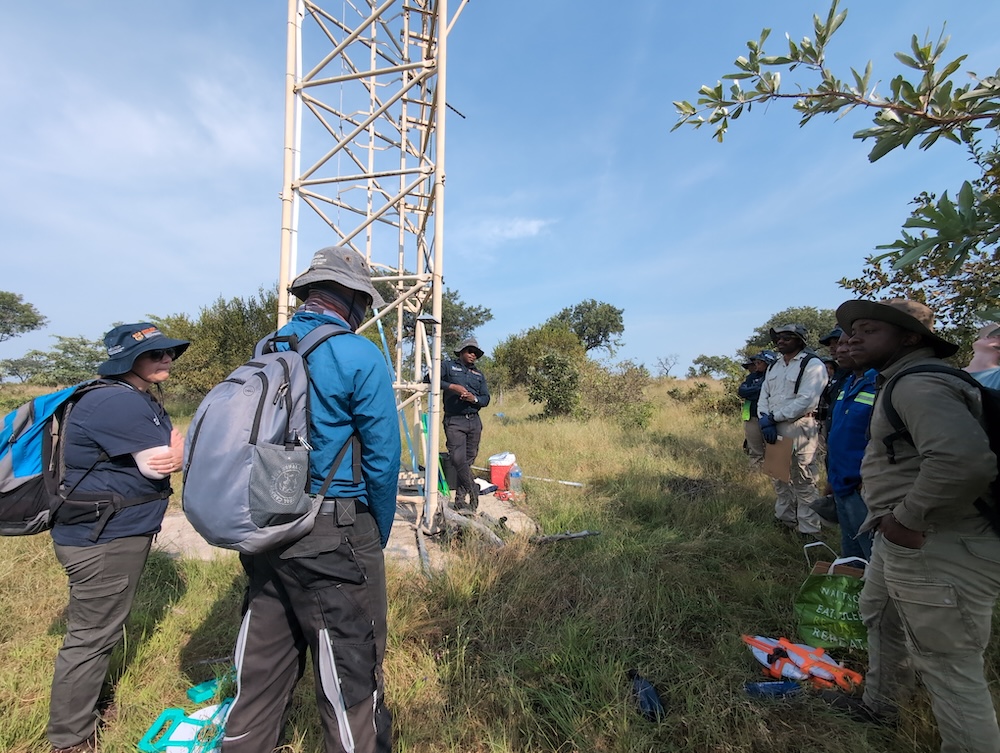
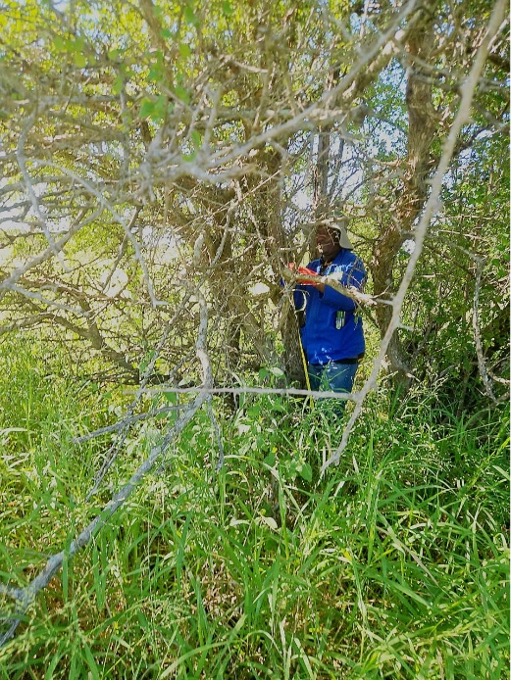
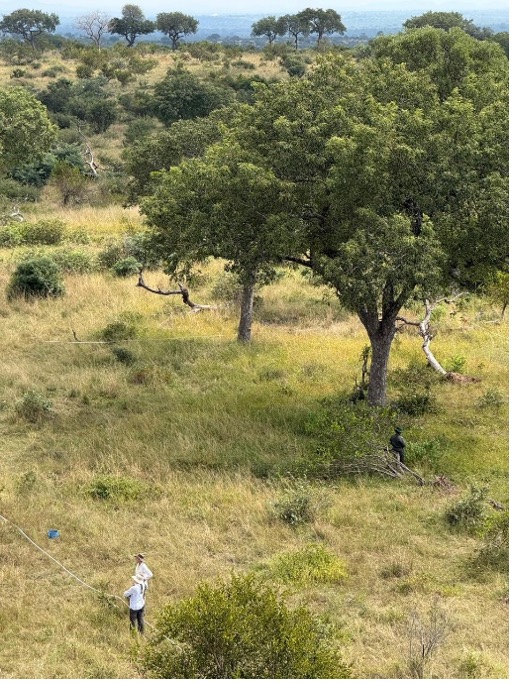
As the Skukuza flux tower is now being integrated into the EFTEON research infrastructure it was essential to have effective handover of the data and sampling methods. Thus 12 researchers spent a week in the field, alternating between four different sampling protocols to ensure that we build capacity across the institutions. The training and planning activities strengthened technical capacity in vegetation monitoring, ecological data collection, field logistics coordination, and long-term savanna ecosystem monitoring.
Field Training Goal: Building Capacity for Monitoring Savanna Woodland
A comprehensive field training and technical planning exercise was conducted in preparation for the SEOSAW and GGG ecological monitoring campaign in Kruger National Park, South Africa. The initiative brought together participants from the University of the Witwatersrand (Wits), SAEON/EFTEON and SANParks to coordinate field methodologies, logistical operations, and technical procedures required for the re-sampling of permanent savanna monitoring plots.
The campaign focused on twelve permanent one-hectare plots distributed between Skukuza and Satara, with four plots located near the Skukuza flux tower and eight additional plots located in Satara. The main objective of the training and planning activities was to standardise field methodologies and ensure consistency in SEOSAW and GGG data collection procedures before field deployment.
Training Methodology and Partnership
The preparation process followed a collaborative and practical approach involving protocol review sessions, equipment planning, field scheduling, and operational coordination. Updated SEOSAW and GGG protocols were shared among all participants prior to field deployment to facilitate familiarisation with the methodologies and identify potential operational challenges in advance.
The training and coordination activities focused on:
• Large tree inventory methodologies;
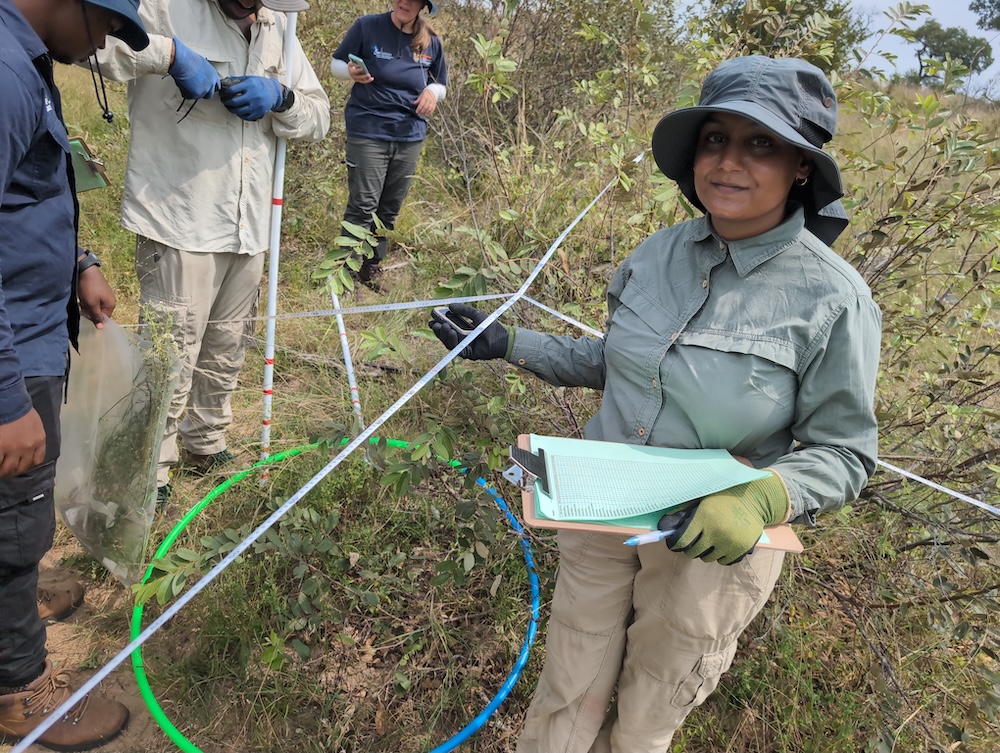
• Standardised small stem monitoring procedures;
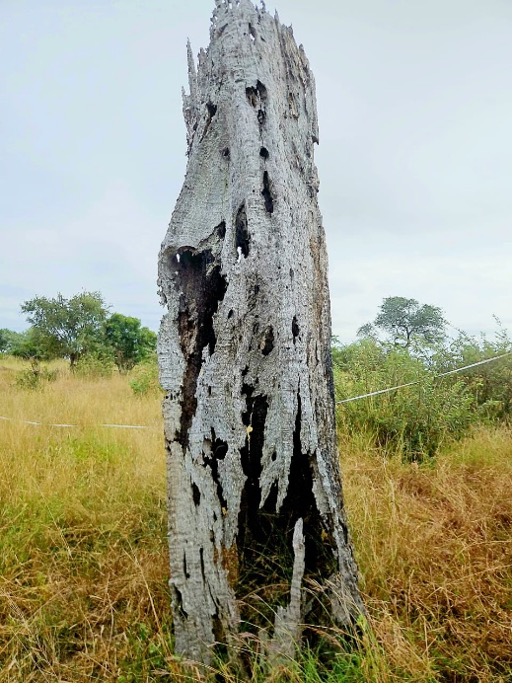
• Ground layer biomass assessment;
• Dead wood inventory methods;
Particular emphasis was placed on standardising the SEOSAW small stem protocol. Previous field campaigns had used circular plots around grid points, and the current campaign aimed to harmonise these methods under the official SEOSAW framework.
A preliminary activity schedule was developed to organise: daily field operations, team responsibilities, plot allocations, equipment distribution and transport and accommodation logistics.
Dedicated teams were assigned for large plot inventories, GGG sampling, ground layer biomass assessments, dead wood assessments, and flux tower-associated activities. The SAEON team members had the opportunity to participate, on a rotational basis, in each of the data collection activities in order to gain a better understanding of how the protocol works.
Field Campaign Schedule
The field activities were held im Skukuza between 13 – 19th April and in Satara between 19th April till 3rd May. The planning phase also included ranger coordination to ensure safe access to field sites and compliance with SANParks operational procedures.
Equipment Planning and Data Management
An equipment inventory spreadsheet was prepared to coordinate field resources and identify gaps before deployment. The preparation process also involved reviewing plot IDs in the field, species names, and metadata consistency to improve data quality and minimise field errors during the campaign.
Long-Term Vision and Future Work
The SEOSAW and GGG monitoring campaign contributes to the development of long-term ecological datasets for southern African savanna ecosystems. The re-sampling of permanent plots will provide important information on vegetation dynamics, woody structure, biomass variation, recruitment patterns, and ecosystem functioning that can be used for calibration of the data provided by the flux tower in Skukuza.
The training and collaborative planning activities also strengthened institutional partnerships and improved technical capacity among participating researchers and field staff. The methodologies and operational experience gained during this campaign will support future ecological monitoring activities and contribute to the standardisation of savanna monitoring protocols across southern Africa.
Furthermore, the collaborative framework established during this initiative provides a strong foundation for future cross-institutional ecological research, long-term monitoring, and coordinated field campaigns within the SEOSAW and GGG network.