
Future Ecosystems for Africa Team

 Sally Archibald
Principle Investigator
South Africa – Wits University
Email: sally.archibald@wits.ac.za
Professor Sally Archibald works on understanding the dynamics of savanna ecosystems in the context of global change. Her work integrates field ecological data, remote sensing, modelling, and biogeochemistry. Sally’s research on global fire regimes has highlighted misunderstandings about the role of humans in altering patterns of fire, and has provided new tools for managing fire in conservation areas to promote biodiversity. Insights from her collaborative research into savanna ecosystem functioning is contributing towards better definitions of degradation in tropical ecosystems.Sally is on the advisory board of the Leverhulme Centre for Wildfires Environment and Society and is the co-chair of the SEOSAW steering committee. She is an associate editor for Ecology Letters and Trends in Ecology and Evolution.
Laura Pereira
Principle Investigator
South Africa – Wits University
Email: laura.pereira@wits.ac.za
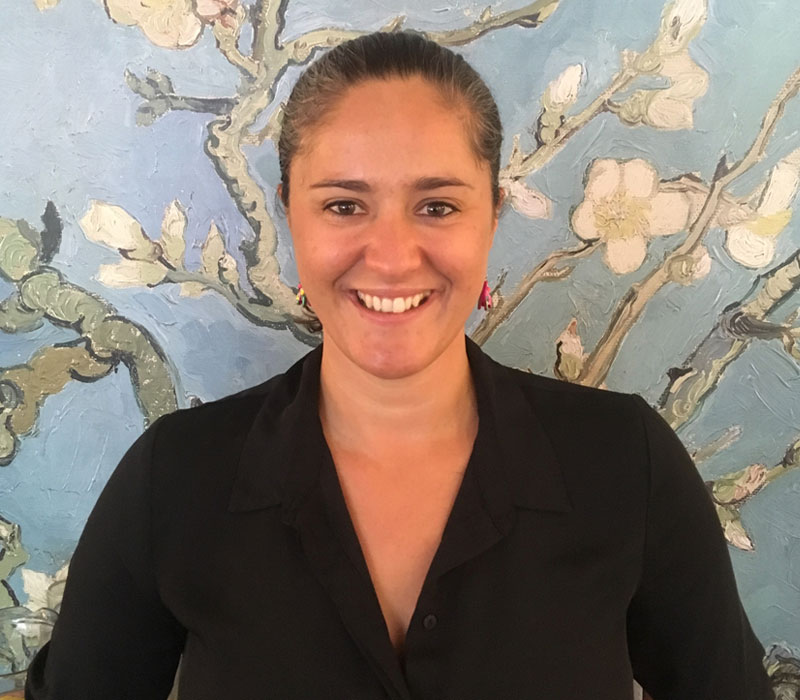
Associate Prof. Laura Pereira is based at the Global Change Institute at the University of the Witwatersrand and a researcher at the Stockholm Resilience Centre. She is an interdisciplinary sustainability scientist interested in the interface between traditional knowledge and innovation, the role of futures techniques in enabling transformative change and developing innovative methods for knowledge co-production in Global South contexts. Laura sits on the Intergovernmental Science-Policy Platform for Biodiversity and Ecosystem Services (IPBES) Task Force on scenarios and models and is also a member of the Earth Commission’s Working Group 4 on Transformations.
Odirilwe Selomane
Funded Collaborator
South Africa – University of Pretoria
Email: odirilwe.selomane@gmail.com
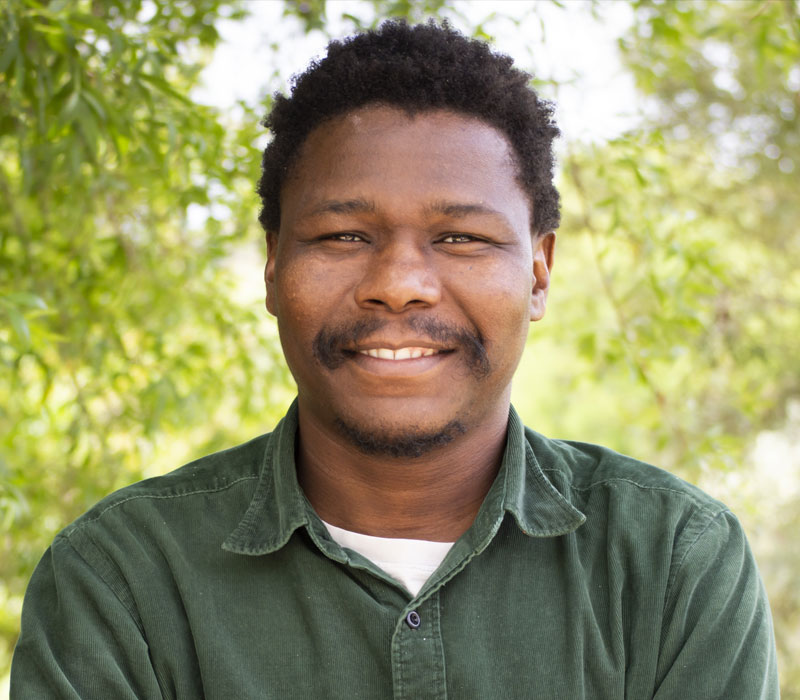
Dr Odirilwe Selomane is a sustainability scientist studying the interactions between society and the natural environment, and how these interactions contribute to progress towards or away from sustainable and equitable outcomes. He is the director of Programme on Ecosystem Change and Society (PECS), a senior researcher at the Centre for Sustainability Transitions at the Ubiversity of Stellenbosch, and was recently appointed a coordinating lead author on the IPBES Nexus Assessment.
Amy Chen
Project Coordinator
South Africa – Wits University
Email: amy.chen@wits.ac.za
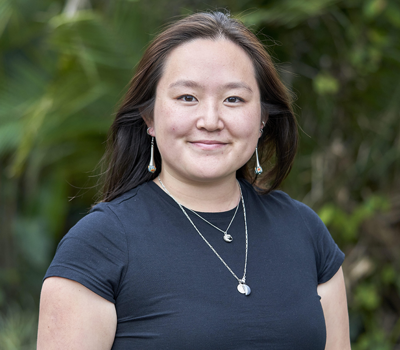
Amy is an MSc graduate in Ecology with a passion for understanding how people and wildlife interact. Her research explored large-scale ecological patterns, the use of citizen science data, and the ways in which individuals connect with nature.
Kim Zoeller
Project Coordinator
South Africa – Wits University
Email: kim.zoeller@wits.ac.za
Kim is an interdisciplinary scientist, with specific expertise in assessing how important interactions at different levels of ecological and social organisation contributes to human wellbeing and fosters support for conservation and other forms of nature stewardship. As a postdoctoral fellow for FEFA, Kim is interested in integrating nature’s contributions to people into the African Roadmap.

Frances Siebert
Funded Collaborator
South Africa – NorthWest University
Email: frances.siebert@nwu.ac.za
Frances Siebert is an associate professor in Botany at the North-West University. Her research is focused on the ecology of plants, particularly forbs (i.e. ‘wildflowers’) in tropical and subtropical grasslands and savannas of southern Africa. Considering the rich forb flora in sub-Saharan Africa, their contribution to human well-being via a diverse suite of ecosystem functions and services remains understudied and, hence, underestimated. Frances’ research is therefore focused on patterns of forb species diversity and their functional responses to natural disturbances (e.g. herbivory and fire) and/or stressful events (e.g. drought) to better understand and predict the potential effects imposed by land-use intensification and climate change.

Geci Karuri-Sebina
Funded Collaborator
Kenya – Wits University
Email: geci.Karuri-Sebina@wits.ac.za
Professor Geci Karuri-Sebina is a Visiting Associate Professor at the Wits School of Governance Tayarisha Centre, an associate of South African Cities Network and the African Centre for Cities, and Vice Chair of AfricaLICS (the community of innovation scholars in Africa). An architect, planner and futurist with a tech background, Geci has been working in the intersection between people, place and technological change. She teaches in innovation systems studies and her current projects include coordinating the Civic Tech Innovation Network, co-convening the Capacity to Decolonise initiative, and curating within The Emergence Network.
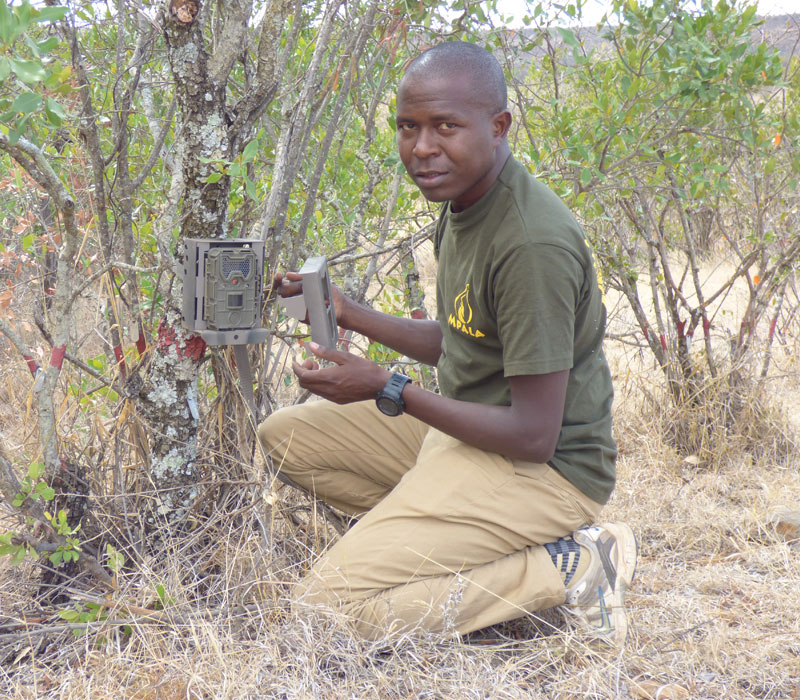
Duncan Kimuyu
Funded Collaborator
Kenya – Karatina University
Email: dkimuyu@gmail.com
Dr Duncan Kimuyu is a senior lecturer in the department of Natural Resources at Karatina University, Kenya. He is interested in broad aspects of wildlife conservation in human dominated ecosystems. Together with Sally Archibald, Duncan is working with researchers across East, West, and Southern Africa to produce comparable data on changes in selected ecological traits across a gradient of grazing intensity, from heavily grazed systems to systems with no grazing at all. This research, which is funded by Oppenheimer Generations Research and Conservation through the Future Ecosystems for Africa Program, will generate new insights into the management of grazed systems for biodiversity and livelihood benefits.
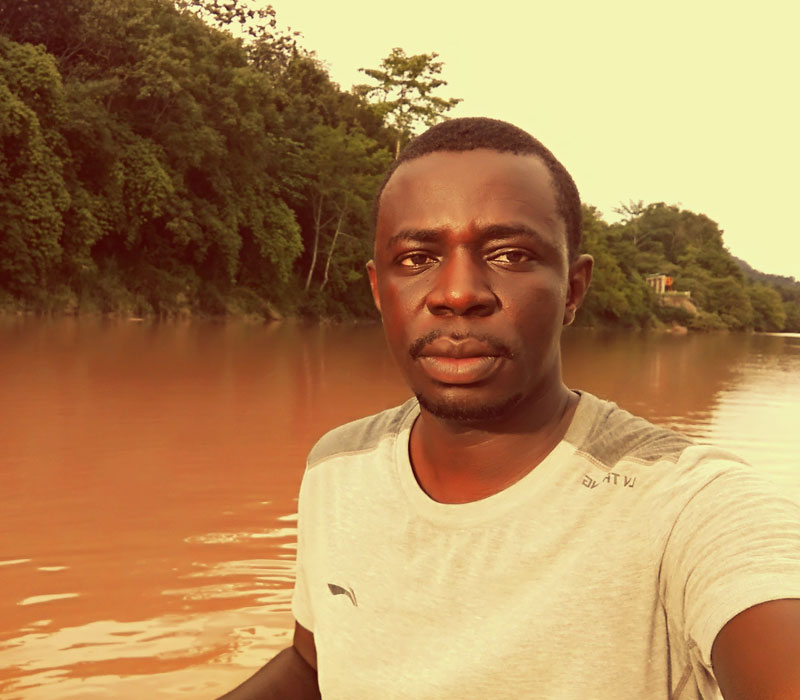
Mohammed Armani
Funded Collaborator
Ghana – Kwame Nkrumah University of Science and Technology
Email: moarmani@outlook.com
Dr Mohammed Armani is a plant ecologist and sustainability expert at the Department of Wildlife and Range Management at Kwame Nkrumah University of Science and Technology. His research interests span plant species and vegetation science; plant-herbivore interactions; people, nature, and livelihoods; and sustainable Agro-ecological practices in West Africa. Mohammed uses a combination of fieldwork, common garden experiment, on-farm participatory research, and data synthesis to provide insights into contemporary sustainable development issues in West Africa.
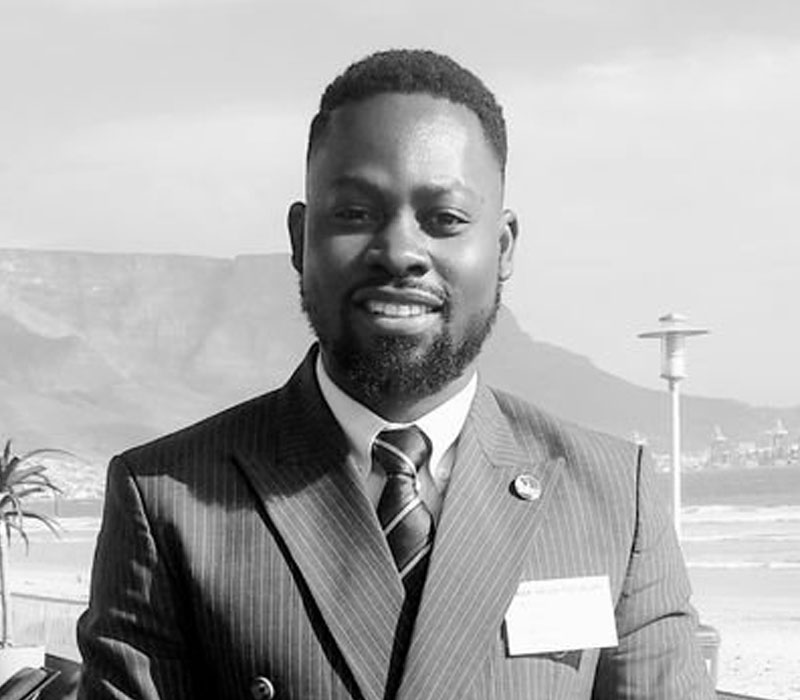
Ibukun Adewumi
Funded Collaborator
Nigeria – Head of the UNESCO’s IOCAFRICA
Email: i.adewumi@oceanaccounts.org
Ibukun Adewumi is a Blue Economy and ocean policy researcher and development expert with over a decade of experience spanning multiple scales from local to global on topics such as integrated coastal and marine management and ocean governance in numerous areas around the world, including Africa, Europe, Southeast Pacific, and South America. He is also very interested in exploring how ocean-based action can be integrated into climate policies, understanding the nexus role of stakeholders in influencing ocean policy decisions, and using policy information to facilitate authentic north-south south-south partnerships for sustainable ocean development. Currently, Ibukun is the Ocean Governance and Partnerships Coordinator for the Global Ocean Accounts Partnership (GOAP), Director of International Partnership with the African Marine Environment Sustainability Initiative (AFMESI) and completing his PhD at the Australian National Center for Ocean Resources and Security (ANCORS), University of Wollongong, Australia. Ibukun is a member of the UNFCCC Nairobi Work Programme Ocean Expert Group.

Caroline Lehmann
Funded Collaborator
UK – Royal Botanical Garden Edinburgh
Email: clehmann@rbge.org.uk
Caroline Lehmann works on improving our understanding of the ecology and evolution of tropical grassy ecosystems by linking remotely sensed data, experimental data, meta-analyses and field observations. Her field research program focuses on understudied grassy regions such as Madagascar. Understanding grassy biome community assembly and ecosystem dynamics is foundational to any evidence base to tackle complex land management problems and support livelihoods and biodiversity. Caroline is the founder of the Open Ecosystems Network that seeks to bridge science, policy and outreach and is also co-convener of the Global Grassy Group.
Anya Courtenay
Database Manager
UK – Royal Botanical Garden Edinburgh & University of Edinburgh
Email: a.courtenay@ed.ac.uk
Anya Courtenay is a postgraduate researcher focusing on the functional biogeography and landscape ecology of plants in African savannas and grasslands. Her Masters by Research quantified the environments of underground trees, which constitute highly resilient old-growth biodiversity that is uprooted by land use conversion. Currently, Anya works with species composition data from field sampling in grassy ecosystems as a research assistant with the Global Grassy Group. As secretariat of the Open Ecosystems Network, Anya also communicates the socioecological importance of informed land management.
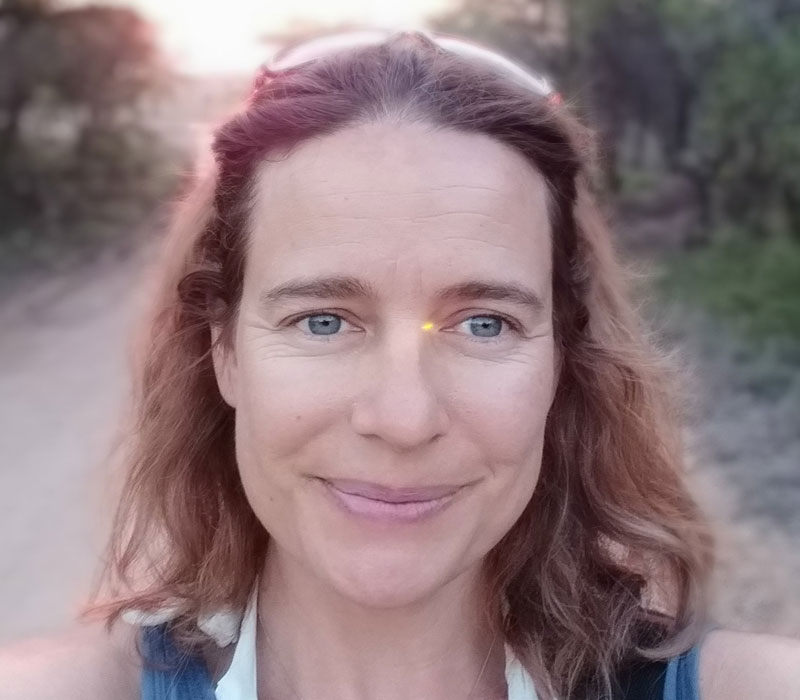
Nicola Stevens
FEFA Funded Collaborator
South Africa – Oxford University
Email: nicolastvns@gmail.com
Dr Nicola Stevens is the Trapnell Fellow for African Environments, based at the Environmental Change Institute at the University of Oxford. Nicola completed her PhD at the University of Cape Town and worked as a postdoctoral researcher at the University of Stellenbosch. Her research is centred on understanding global change impacts on African ecosystems with a focus on savannas. She is interested in understanding more about the consequences of woody encroachment and what shapes species range limits in disturbance driven ecosystems. Nicola is passionate about understanding how savannas function especially in a changing world and is keen to use this knowledge to help understand how to manage them into the future.

Charne Lavery
FEFA Funded Collaborator
South Africa – University of Pretoria
Email: charne.lavery@up.ac.za
Associate Prof. Charne Lavery is based in the Department of English at the University of Pretoria and co-directs the Oceanic Humanities for the Global South research platform (www.oceanichumanities.com). She teaches postcolonial literature and conducts research in the broader field of the environmental humanities. Her focus is the blue humanities, particularly the African Indian Ocean, the deep sea and Antarctic waters. Charne is a Contributing Author to the Africa chapter of the IPCC AR6, WG2 (2022) and has worked with FEFA on African science fiction for diversifying climate scenarios.
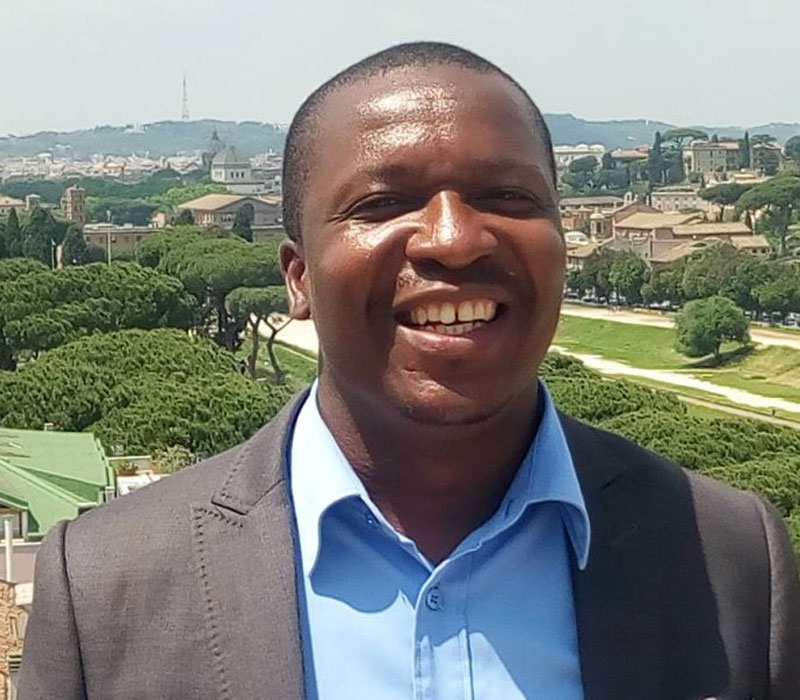
Tatenda Gotore
Research Associate
Zimbabwe – Wits University
Email: tatendagotore@gmail.com
Tatenda Gotore is a forest ecology and management researcher focusing on the sustainable harvesting of miombo woodlands. Tatenda’s research looks at using a network of tree plot data to inform sustainable utilisation of the Miombo woodlands and is collaboratively supported by the Miombo Network and the SEOSAW Partnership. Tatenda is interested in exploring relationships between biomass accumulation and disturbance (human, fire, elephant) in the Miombo woodlands and its impact on biomass change, in order to optimise utilisation while considering biodiversity conservation and climate change.
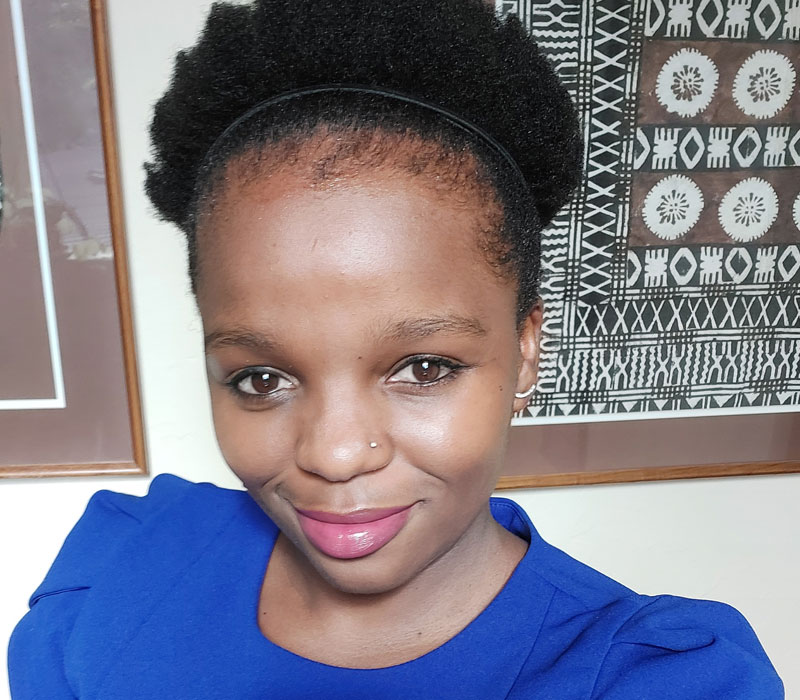
Fezile Mtsetfwa
Postdoctoral Associate
eSwathini – Wits University
Email: mtsetfwafezile@gmail.com
Dr Fezile Mtsetfwa is an interdisciplinary ecologist with broad research interests in plant ecology, global change ecology and conservation of large trees in tropical biomes i.e., savannas and the Miombo woodlands. Fezile is a Postdoctorate Fellow at the School of Animal Plant & Environmental Sciences in the Archibald Lab at the University of the Witwatersrand. She works on the Oppenheimer Generations Research and Conservation Future Ecosystems for Africa (FEFA) Program on a project quantifying the resilience and dynamics of African woodlands. Specifically, she will be researching on vegetative regeneration dynamics of African woodlands to understand their resilience to prevailing disturbances within these systems.
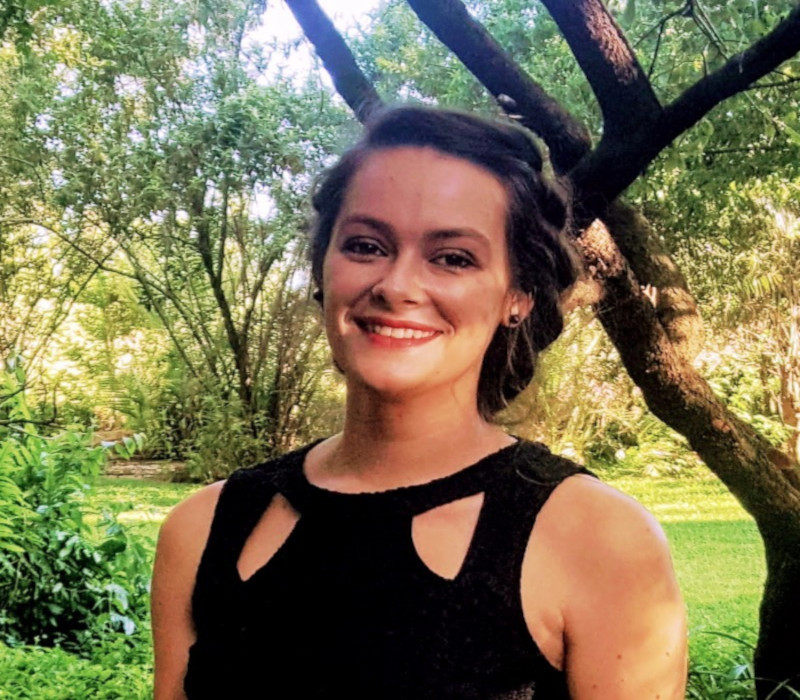
Michelle Fourie
Research Analyst
South Africa – uBoomi
Email: michelle@uboomi.co.za
Michelle Fourie is a Research Analyst at uBoomi. Her academic background is in botany and zoology. She has work experience in business research within a medical software company. She worked as a business intelligence analyst at Digital health solutions (DXS), a healthcare IT provider and is currently working as a consultant for the same company. Michelle completed her master’s degree in transdisciplinary field focusing on social-ecological systems at Stellenbosch University. Her research project used the recently described telecoupling framework to explore the socio-economic and ecological drivers and impacts of the expanding blueberry industry in South Africa.
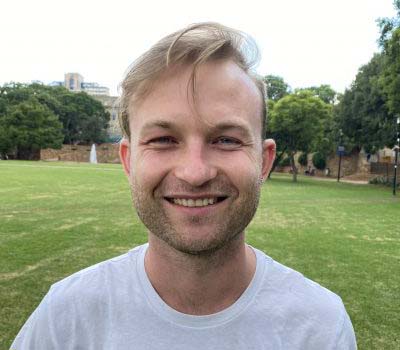
Joseph White
Collaborator
South Africa – University of the Witwatersrand
Email: josephdmwhite@gmail.com
Joseph White: I am a plant ecologist with a focus in spatial ecology and plant-animal interactions. My current research focuses on the spatial ecology of Africa’s grasslands and savannas. I have a background in plant-animal interactions and continue to pursue research to understand their fundamental life-histories and the consequences of disruptions due to global change.
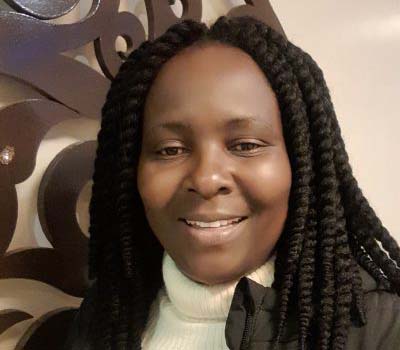
Olga Laiza Kupika
Collaborator
Zimbabwe – Chinhoyi University of Technology
Email: okupika@cut.ac.zw
Olga Laiza Kupika: Olga Laiza Kupika is a Natural Resources Conservationist and Climate Change expert, Associate Professor and currently Chairperson in the Department of Wildlife Ecology and Conservation at Chinhoyi University of Technology, Zimbabwe. She has experience leading and working with multidisciplinary teams and have ability to communicate with stakeholders and research partners at local, national, regional and international forums. Olga’s research interests include climate change resilience (adaptation and mitigation), ecosystem resilience, natural resources conservation and governance, community based natural resources management, ecosystem services, sustainable livelihoods, community resilience, and sustainable development goals. Olga is a former EU-DREAM scholarship recipient ; a Climate Impact Research Capacity and Leadership Enhancement (CIRCLE) Programme and Climate Research for Development (CR4D) Postdoctoral fellow alumnus, both implemented by the Alliance for Accelerating Excellence in Science in Africa (AESA) through the African Academy of Sciences (AAS). Currently she is leading the Natural Resources Governance and Institutions (NRGI) petal under the Production and Conservation in Partnerships platform.
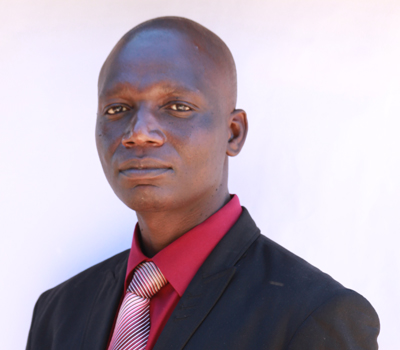
Peter Makumbe
OGRC Funded Collaborator
Zimbabwe – Shangani Holistic
Peter Makumbe is the Research Manager at Shangani Holistic (a cattle and wildlife ranch in Zimbabwe) under the Oppenheimer Generations Research and Conservation. Peter has interests in biodiversity conservation especially in human dominated landscapes, human-wildlife coexistence, wildlife behaviour, ecosystem function and resilience. He believes that communities should benefit from the natural resources within their landscape through sustainable utilization. Peter is currently studying towards a PhD in Nature Conservation at Nelson Mandela University, South Africa. His research focuses on the migration patterns of elephant bulls in human dominated landscapes.

Bob Mandinyenya
OGRC Collaborator
Zimbabwe – Gonarezhou Conservation Trust
Email: bob@gonarezhou.org
Bob Mandinyenya is presently the Head of Scientific Services at Gonarezhou National Park (GNP) with a background in wildlife ecology. Interested in the matrices of conservation ecology and complexities which exist the movement and dispersal of wildlife at a landscape scale, including their interactions with landuse systems beyond protected area boundaries. PhD candidate in Environmental and Evolutionary Biology at Sapienza University of Rome. My PhD concept is focused on spatial conservation prioritisation, with the overall aim seeking to identify alternative land management systems which can facilitate the dispersal of the elephant population from and to the GNP.
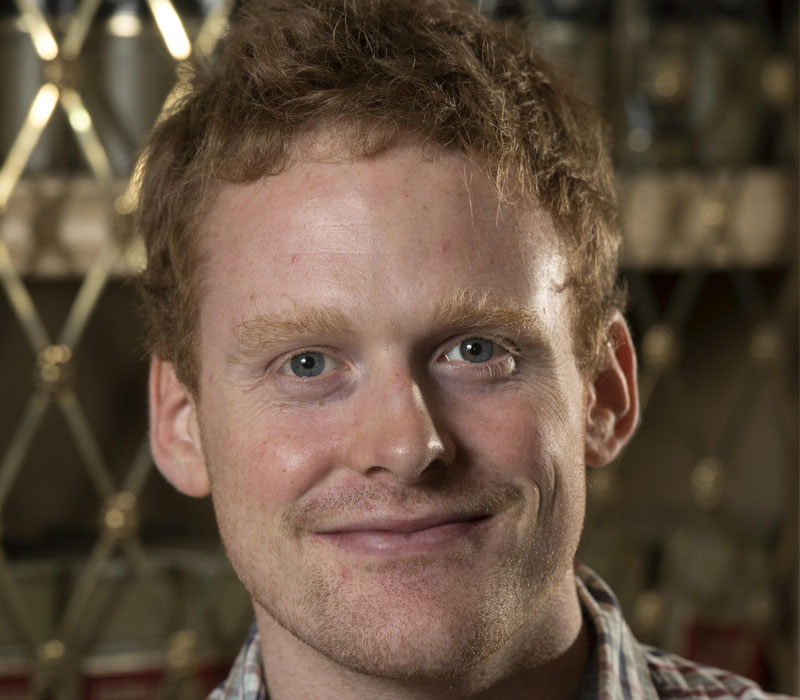
Andrew Cunliffe
OGRC Collaborator
UK – Exeter University
Email: A.Cunliffe@exeter.ac.uk
Dr Andrew Cunliffe is an Oppenheimer Senior Research Fellow and leader of OPALS at the University of Exeter. Andy has a broad background in physical geography, spanning multiscale remote sensing, dryland ecohydrology, environmental monitoring, ecosystem carbon dynamics and landscape systems thinking. The overarching aim of his research is to improve our understanding of how landscapes function and are managed for broader societal benefit. Andy advocates for open science and works to enable new collaborative opportunities.
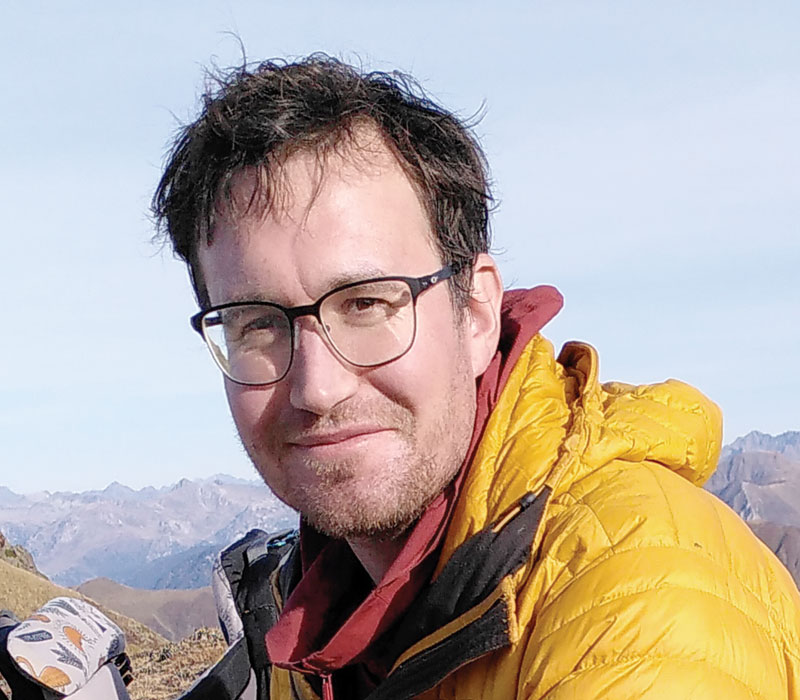
Tom Powell
OGRC Collaborator
UK – Exeter University
Email: T.Powell@exeter.ac.uk
Dr Tom Powell is an Oppenheimer Research Impact Fellow at the Global Systems Institute, University of Exeter. Tom has a broad background in ecology, geography and systems thinking, spanning food systems and land-use change, natural climate solutions, environmental monitoring & payments for ecosystem services, and community-led responses to environmental degradation. Tom helps to facilitate engagement with our partners, to co-design our research and maximise its real-world impacts.
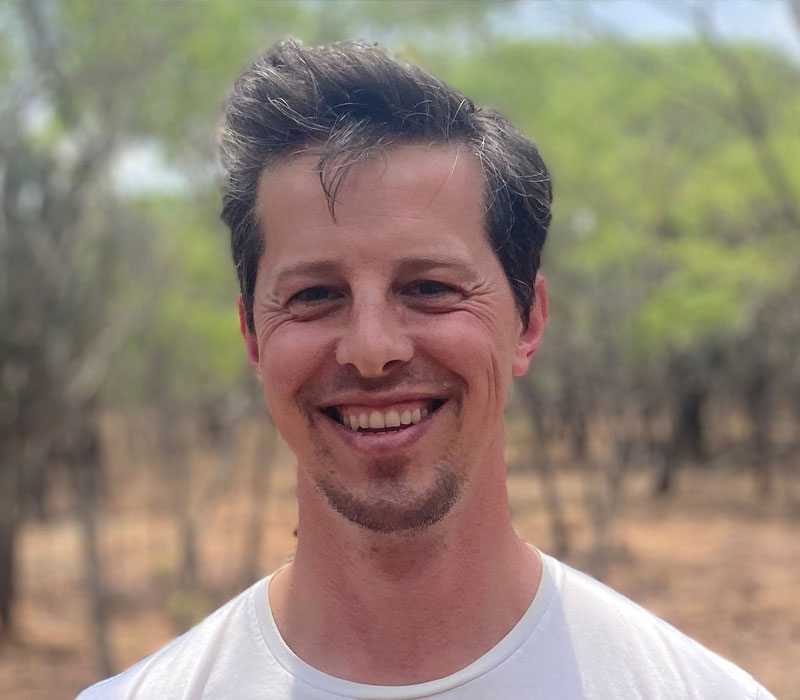
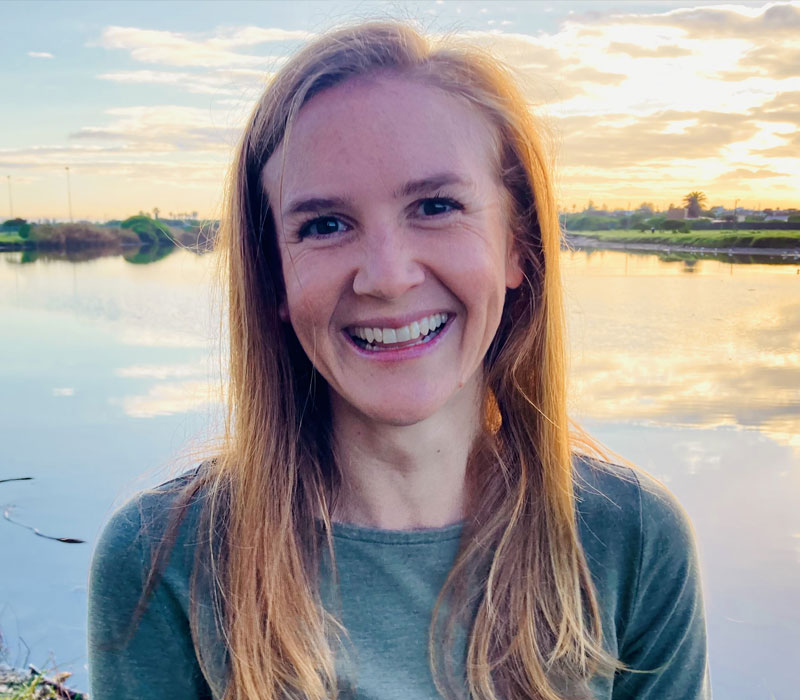
Hayley Clemens
OGRC Collaborator
South Africa – Stellenbosch University
Email: hayleyclements@sun.ac.za
Dr Hayley Clements is a senior researcher at the Centre for Sustainability Transitions at Stellenbosch University and the University of Helsinki. Her research explores how African biodiversity connects to human well-being, and the role of African wildlife economies in achieving just and sustainable development.
Chevonne Reynolds
Collaborator
South Africa – Wits University
Email: chevonne.reynolds@wits.ac.za
Dr Chevonne Reynolds is a landscape ecologist with a strong interest in urban biodiversity, equity, and spatial ecology. While much of my work focuses on birds, she’s also worked with a variety of additional taxa, from bees to bats, and often guided by good data availability to answer broader ecological questions. Her research typically explores how biodiversity and ecological assets are distributed across urban and socio-economic gradients, with a particular focus on access and environmental justice. She uses a mix of citizen science, remote sensing, and spatial analysis to understand landscape patterns and identify opportunities for conservation that benefit both people and nature. She’s especially committed to collaborative and community-based approaches, and has led several citizen science initiatives that aim to make ecological research more inclusive, visible, and impactful.
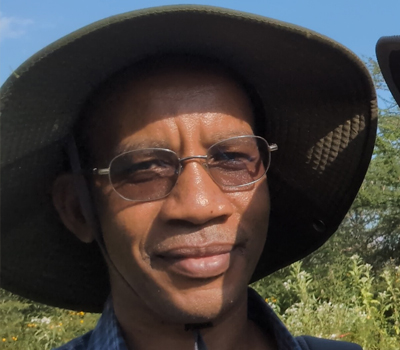
Elisha Elifuraha Njoghomi
Collaborator
Tanzania – Forestry Research Institute (TAFORI)
Email: elinjoghomi@gmail.com
Dr. Elisha Elifuraha Njoghomi is a forestry researcher specializing in forest ecology and stand growth dynamics within tropical dry forests and woodlands. He holds a Doctoral Degree in Sustainable Use of Renewable Resources from Helsinki University, Finland, and earned both his Bachelor’s and Master’s degrees in Forestry from Sokoine University of Agriculture (SUA) in Tanzania. Since 2006, he has been a researcher at the Tanzania Forestry Research Institute (TAFORI), where he has acquired extensive practical experience in tree growth, stand dynamics, and miombo woodland ecology. His doctoral research significantly contributed to understanding the impact of forest disturbances and silvicultural treatments on tree growth, mortality, regeneration, and stand dynamics. Dr. Njoghomi has actively participated in various research projects, serving as both a lead and co-scientist, and has made notable contributions to the science of forestry in Tanzania. His work has been published in numerous scientific journals, including studies on miombo woodland regeneration dynamics, species-specific tree growth, and simulations in stand dynamics, as well as the impacts of forest management (grazing and fire exclusion) on the recovery of Miombo stands. I collaboration researchers under the SEOSAW network, Dr Njoghomi introduced the study on the diversity of the herbaceous layer at Kitulangalo study plots of Tanzania using the Global Grassland Group (GGG) Protocol, a study which seemed imperative to enable co-management of the tree cover and the groundlayer plant communities for optimal productivity in wood products, grazing and pollination services and honey production, an important socio-economic activity in miombo ecosystem.

David Lloyd-Jones
Postdoctoral Associate
South Africa – University of Cape Town
Email:
David Lloyd-Jones is a behavioural ecologist and Postdoctoral Fellow for the Fitzpatrick Institute of African Ornithology, University of Cape Town. His research has focused on the persistence and sustainability of the honeyguide-human mutualism, and its impact on bee and tree populations via honey-harvesting. He lives in and primarily works on miombo ecosystems, both in northern Mozambique and southern Tanzania. He will continue to investigate the impact of tree-cutting and fires lit for harvesting honey on savanna woodland ecosystems.

Telmo António
PhD Candidate
Portugal – University of Coimbra
Email:
Telmo António is an Angolan biologist with experience in scientific research, biodiversity conservation, and higher education. He has an early career in ecology, and he is currently pursuing a PhD at the University of Coimbra (Portugal). His doctoral research explores the critical question of whether fire regimes threaten the vast peatlands in the headwaters of the Okavango Delta—a globally important wetland. By comparing the effects of early and late-season fires and analysing agricultural impacts, his work contributes to understanding and preserving one of Africa’s most vital carbon sinks. Passionate about conservation and sustainable land use, Telmo combines rigorous fieldwork with applied science to inform policy and protect ecosystems under pressure.

Maganizo Kruger Nyasulu
PhD Candidate
Sweden – Stockholm University
Email: kruger.nyasulu@su.se
Nyasulu’s work aims at advancing detailed green and blue water mapping and building food systems resilience for SUb Saharan Africa, with the aim of achieving Sustainable Development Goals (SDGs) and beyond.

Robert Ouko Ang’ila
PhD Candidate
Kenya – Karatina University
Email: robert.o.angila@gmail.com
Robert Ouko Ang’ila is pursuing a PhD in Environmental Studies at Karatina University where he had previously completed an MSc and BSc Environmental Studies. He has previously worked on the effect of soil and topography on abundance and distribution of large mammalian herbivores and herbaceous vegetation at fine scale. He has a keen interest in assessing the effects of grazing intensities across different land uses in the savannah ecosystem.
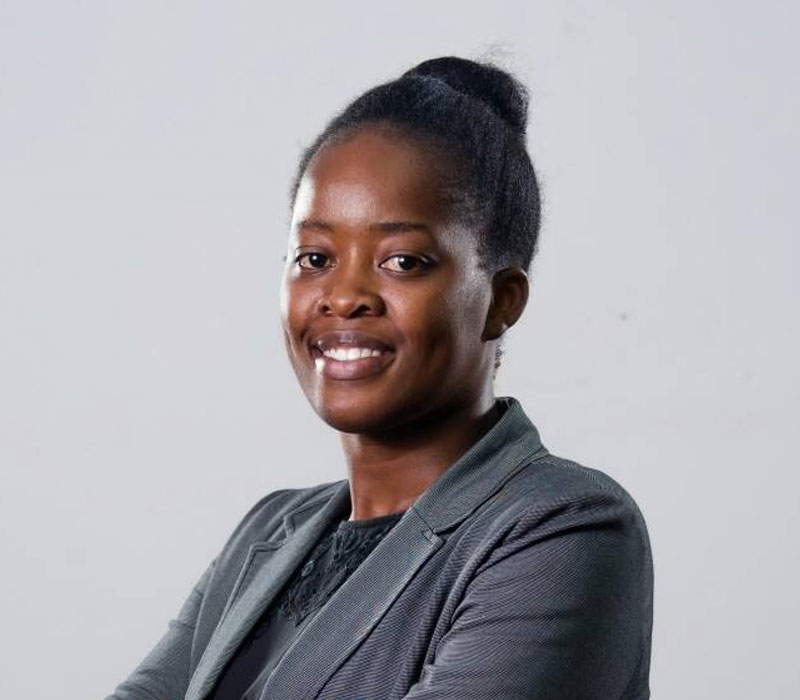
Mulako Kabisa
PhD Candidate
Zambia – Wits University
Email: mulakokabisa@gmail.com
Mulako Kabisa is an ecologist specialising in environment and natural resource management. Her research interests are climate change adaptation, natural resources management, and gender and food security policy analysis in the agricultural sector. She is interested in bridging the gap between scientific and indigenous ecological knowledge as well as science communication and public engagement on climate change issues.

Sènankpon Tcheton
PhD Candidate
Benin – Wits University
Email: tsteph94@yahoo.com
Sènankpon is a biodiversity conservationist with three years of extensive fieldwork experience in project implementation in ecosystem management, protection of endangered wildlife species and local communities’ wellbeing in Western Africa. He has a background in protected area management, conducting field activities and facilitating meetings with stakeholders and local communities. He holds a MSc in Sustainable Territorial Development, focussed on supporting organizations to build a sustainable green living environment. Sènankpon is interested in the interface between indigenous knowledge and sustainability and is passionate about actions to enhance the resilience of African ecosystems and the wellbeing of its community.
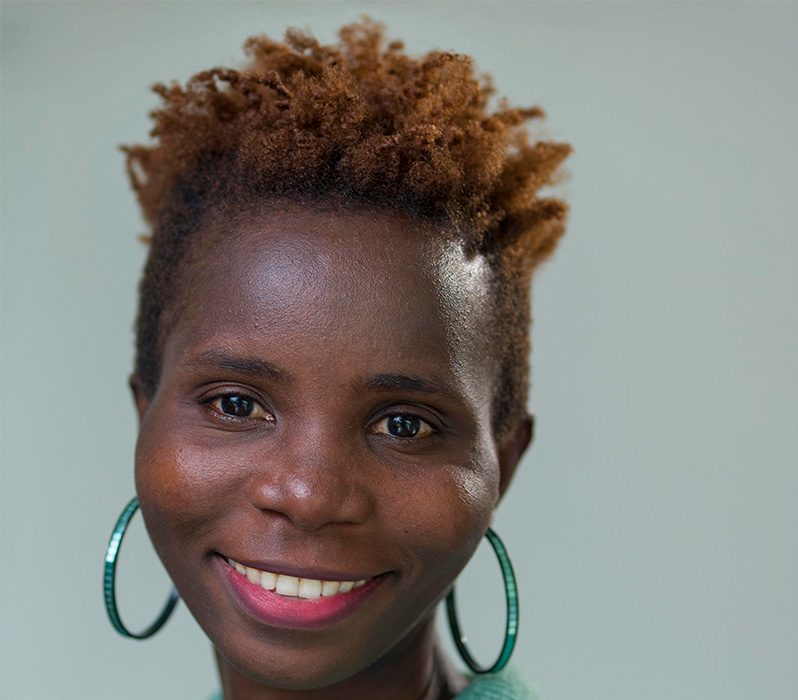
Therezah (Terry) Achieng
PhD Candidate
UK – Exeter University
Email: ta532@exeter.ac.uk
Terry is a PhD candidate at the University of Exeter. Her background is in geography and social-ecological systems thinking, which inspired her research pursuits in interconnected systems. She is currently on a PhD journey (supported by OPALs), exploring just tipping points for African social-ecological systems. She is excited about working with FEFA because the program brings together African researchers with passion for African-based and led transformations.

Batlhalifi Nkgothoe
PhD Candidate
SA – Wits University
Email: 1145008@students.wits.ac.za
Batlhalifi Nkgothoe is a PhD student at the Global Change Institute, University of the Witwatersrand, Johannesburg. He is a research fellow at the Institute of Social and Economic Research, Rhodes University, Makhanda. His research interests lie at the intersection of indigenous food and ecological praxis, food system transformation and resilience, Global South epistemologies and questions on sustainability. Batlhalifi is excited about working with FEFA because the program will assist him with growing his Nature Futures Framework by incorporating Indigenous knowledge.
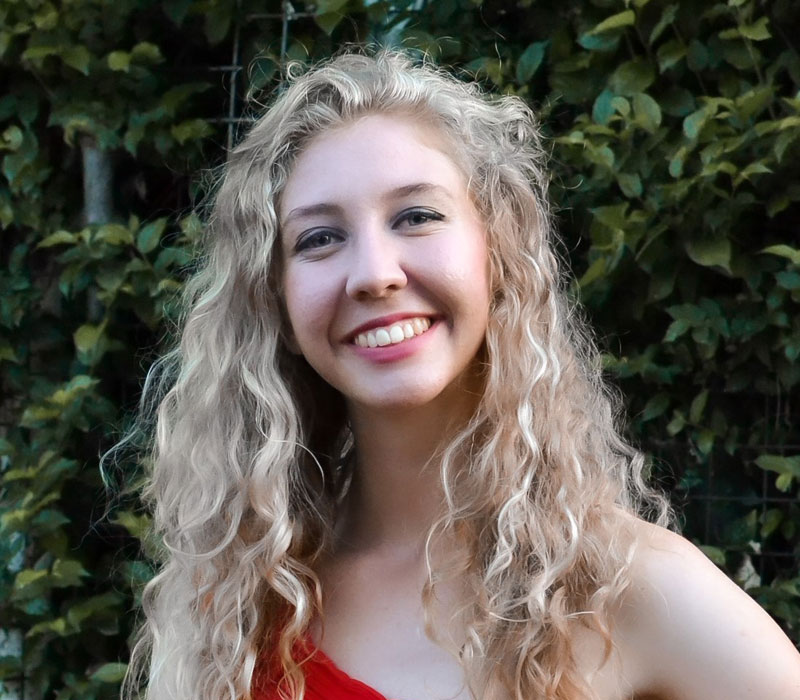
Elaine Slooten
MSc Candidate
South Africa – NorthWest University
Email: eslooten98@gmail.com
Elaine Slooten’s goal is to highlight the importance of understanding nature, what it offers to us as humans, and how we can coexist in a sustainable space. Elaine is currently completing her MSc on carbon stocks in grasslands and how they are affected by different land use practices.
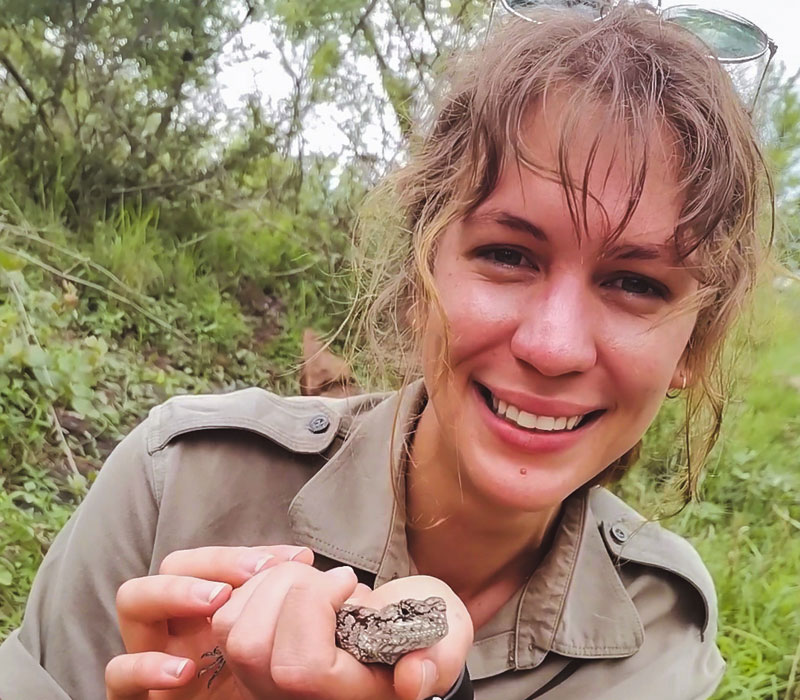
Eulalia Jordaan
MSc Candidate
South Africa – Mpumalanga ParksBoard
Email: jordaaneulalia@gmail.com
Eulalia Jordaan is interested in ecological interactions between fauna and flora, particularly in grasslands, as well as conservation ecology. I find grasslands very intriguing, as they are such a rich source of biodiversity and provide a myriad of mysteries to investigate. She is currently employed at the Mpumalanga Tourism and Parks Agency as an Ecological Technician, where she assists senior researchers with biodiversity surveys, threatened species monitoring and plant collection/identification. She is also a part-time MSc candidate at North West University, where her project will explore the effects of ploughing on the floristic diversity in the grassland biome along a climate gradient, under the supervision of Prof. Frances Siebert and Prof. Sally Archibald.
Program Alumni
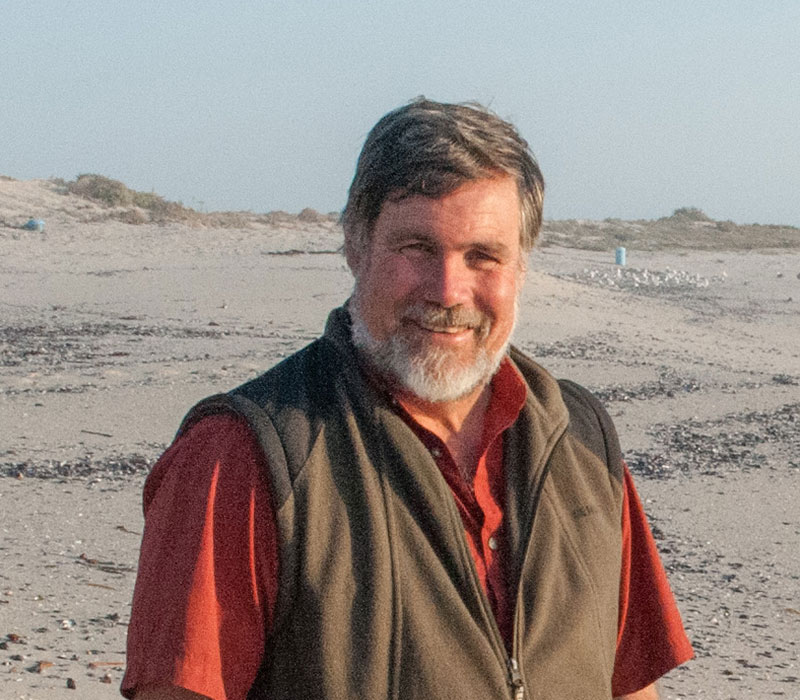
Bob Scholes
Program Alumni
South Africa – Wits University
This program was deeply influenced by ideas shared by Professor Bob Scholes with Oppenheimer Generations and the research team before he passed away in April 2021. Future Ecosystems for Africa recognises the role he has played in driving transformational change: the inspiration, skills, and networks that he built on the African continent are the foundations of the success of the program.

Khombomoni Keith Chuma
Project Coordinator
South Africa – Wits University
Khombomoni Chuma was the FEFA Project Coordinator, and he holds a Master of Science (MSc) degree, which focused on Indigenous Knowledge Systems (IKS) and Environmental Legislation from Wits University. He previously worked for the World Bank Group, United Nations Environment Programme (UNEP) and the National Department of Forestry, Fisheries, and the Environment (DFFE). He has coordinated more than five (5) projects in Southern Africa. Khombomoni is excited to be part of Future Ecosystems for Africa because he is passionate about science-policy interface and will be part of a dynamic team of experts driving evidence-based policy and decision-making in African ecosystems.
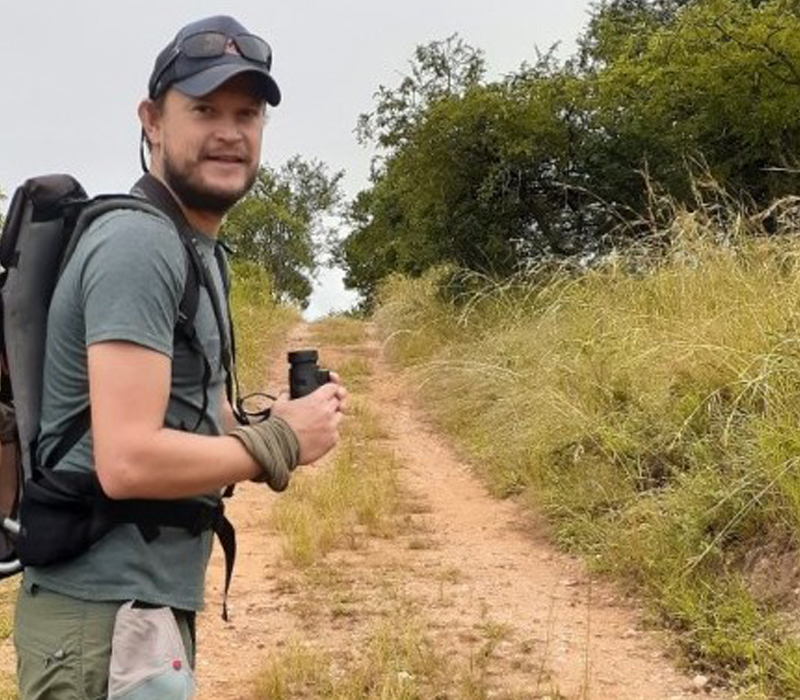
Bernard Coetzee
OGRC Collaborator
South Africa – University of Pretoria
Dr Bernard Coetzee is a global change researcher focusing on how humans are altering the natural environment, how that changes biodiversity, and what that means for our well being. Bernard has a conservation science and policy background, particularly in applying systematic conservation planning, with a special interest in birds, climate change, biogeography and landscape conservation. Lately, he has launched new work on artificial light at night, which may just be the greatest emerging global anthropogenic pressure – particularly on how it alters mosquito biology, and with it, the transferal of vector borne disease. Bernard does fieldwork from Antarctica to the Tropics, and everything in-between, including African savannas.
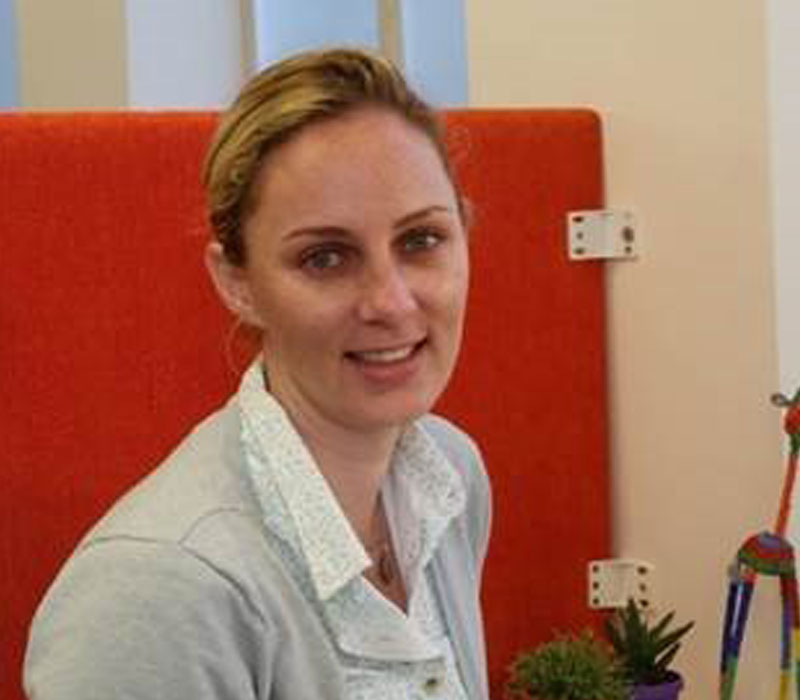
Kaera Coetzer-Hanack
Research Associate
South Africa – University of Pretoria
Dr Kaera Coetzer is a social-ecological systems scientist with expertise drawing from the natural and social sciences. Coetzer is interested in understanding ecosystem behaviour as it is moderated through the actions of landscape actors and institutions at various scales, with a particular focus on environmental governance at the landscape scale. Her current research explores the role of sustainability organisations, specifically UNESCOs Biosphere Reserves, in curating sustainability pathways and how they support more equitable and participatory decision-making, more sustainable resource-use behaviour, and thus, more sustainable local livelihoods long-term.
Andrea Marais-Potgieter
Postdoctoral Research Fellow
South Africa – Wits University
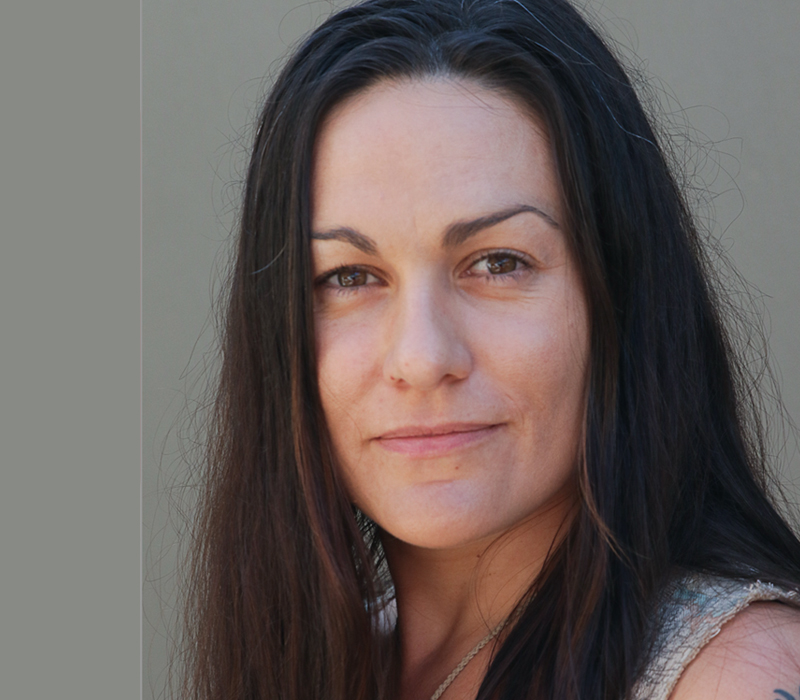
Andrea Marais-Potgieter is a Conservation Psychologist and Postdoctoral Research Fellow working at the interface of people and nature in social-ecological systems. With over two decades of experience in psychological research, Andrea’s work explores the complex relationships between humans and the biosphere, drawing on insights from ecopsychology, Indigenous and local knowledge systems, and conservation science.
Her research spans a wide range of contexts—from urban to rural to marine—investigating themes such as climate change perception, environmental typologies, trans-species accompaniment, mortality salience, and the Nature Futures Framework. Andrea’s current postdoctoral role at the Global Change Institute (University of the Witwatersrand) focuses on qualitative futures methods within global case studies in Canada, China, Costa Rica, West Africa, and the Netherlands as part of the Solving the Sustainability Challenges at the Food-Climate-Biodiversity Nexus project.
Andrea holds a PhD in Psychology from the University of the Witwatersrand, where she developed a novel typological framework for understanding people’s psychological and emotional relationships with nature. Her early career included extensive work in consumer psychology across 17 African countries, a foundation that now informs her interdisciplinary approach to conservation and environmental psychology.
She is a frequent speaker at international conferences, an active peer reviewer, and contributes to community-based conservation efforts in South Africa. Through both academic inquiry and public engagement, Andrea is committed to fostering more inclusive, pluralistic, and psychologically informed approaches to biodiversity and sustainability.